Certified Hakomi Therapist Registered Hypnotherapy Counselor
Anxiety can feel overwhelming, affecting both our mental and physical well-being. Many individuals struggle to find effective ways to cope with these feelings, leading to a desire for practical solutions that can be implemented in daily life. In this blog post, we will delve into the intricacies of anxiety, helping you discover its root causes and understand how they manifest in everyday situations. By understanding these underlying factors, you can begin your journey toward more effective management and relief.
We will also guide you through a variety of mindfulness and relaxation techniques that offer immediate relief from anxious feelings. Additionally, you will learn practical strategies that promote long-term anxiety management, empowering you to regain control over your life. By the end of this post, you will have the tools and insights needed to effectively manage anxiety in daily life, allowing for a more peaceful and fulfilling existence.
Discover the root causes of anxiety in your daily life
Understanding the root causes of anxiety is the first step towards effective management. Anxiety can stem from various sources, including work pressure, relationship challenges, or financial worries. It is essential to take a moment to reflect on your daily experiences and identify specific triggers that elevate your stress levels. By recognizing the situations or thoughts that often lead to anxiety, you can begin to address them more directly and constructively.
Additionally, acknowledging any past experiences or underlying factors that contribute to your anxiety is crucial. Sometimes, unresolved issues from childhood or previous life events linger beneath the surface, impacting your mental well-being. Consider journaling your thoughts and feelings, as this practice can help clarify your emotional landscape. Remember, understanding your triggers empowers you to learn effective techniques to manage anxiety in daily life, paving the way towards a calmer, more balanced existence.
Explore mindfulness and relaxation techniques for immediate relief
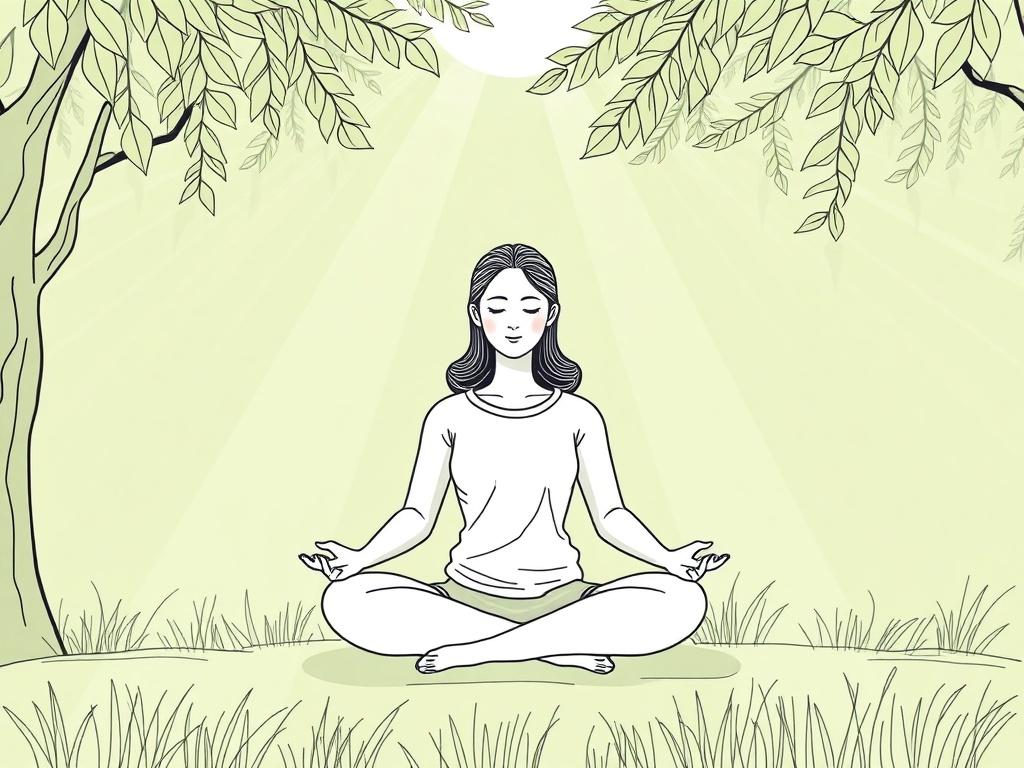
Mindfulness and relaxation techniques serve as valuable tools for managing anxiety when it strikes. Mindfulness encourages you to focus on the present moment, helping to alleviate racing thoughts and overwhelming feelings. You can practice mindfulness through simple exercises such as deep breathing, guided meditation, or paying attention to your senses. By consciously observing your thoughts and feelings without judgment, you can create distance between yourself and your anxiety. This practice not only provides immediate relief but also trains your mind to respond more calmly in future stressful situations.
In addition to mindfulness, incorporating relaxation techniques into your daily routine can significantly decrease anxiety levels. Progressive muscle relaxation (PMR) is an effective method that involves tensing and then relaxing each muscle group in your body, promoting a sense of calm. Similarly, engaging in physical activities like yoga or tai chi can integrate movement with breathing to ground your anxieties. Even short sessions of these techniques can produce noticeable effects, so make them a regular part of your day. By becoming familiar with these immediate relief strategies, you prepare yourself to tackle anxiety more effectively whenever it arises.
Implement practical strategies for long-term anxiety management
To manage anxiety effectively over the long term, it's essential to establish a routine that incorporates healthy habits. Start by prioritizing regular physical activity, as exercise releases endorphins which boost your mood naturally. Aim for at least 30 minutes of moderate exercise most days of the week, whether it's jogging, yoga, or a brisk walk. Additionally, maintain a balanced diet rich in whole foods, such as fruits, vegetables, and lean proteins. Nutrition plays a crucial role in regulating your body’s response to stress, so opting for nutrient-dense meals can significantly impact your anxiety levels.
Another vital aspect of long-term anxiety management is fostering a supportive social network. Surround yourself with friends and family who understand your struggles and can provide encouragement. Engage in open conversations about your feelings, as this can reduce the isolation that often accompanies anxiety. Incorporate relaxation activities into your weekly routine, like journaling, reading, or meditation, to help you unwind and process your thoughts. By taking these proactive steps, you can cultivate resilience and effectively manage anxiety in your daily life.